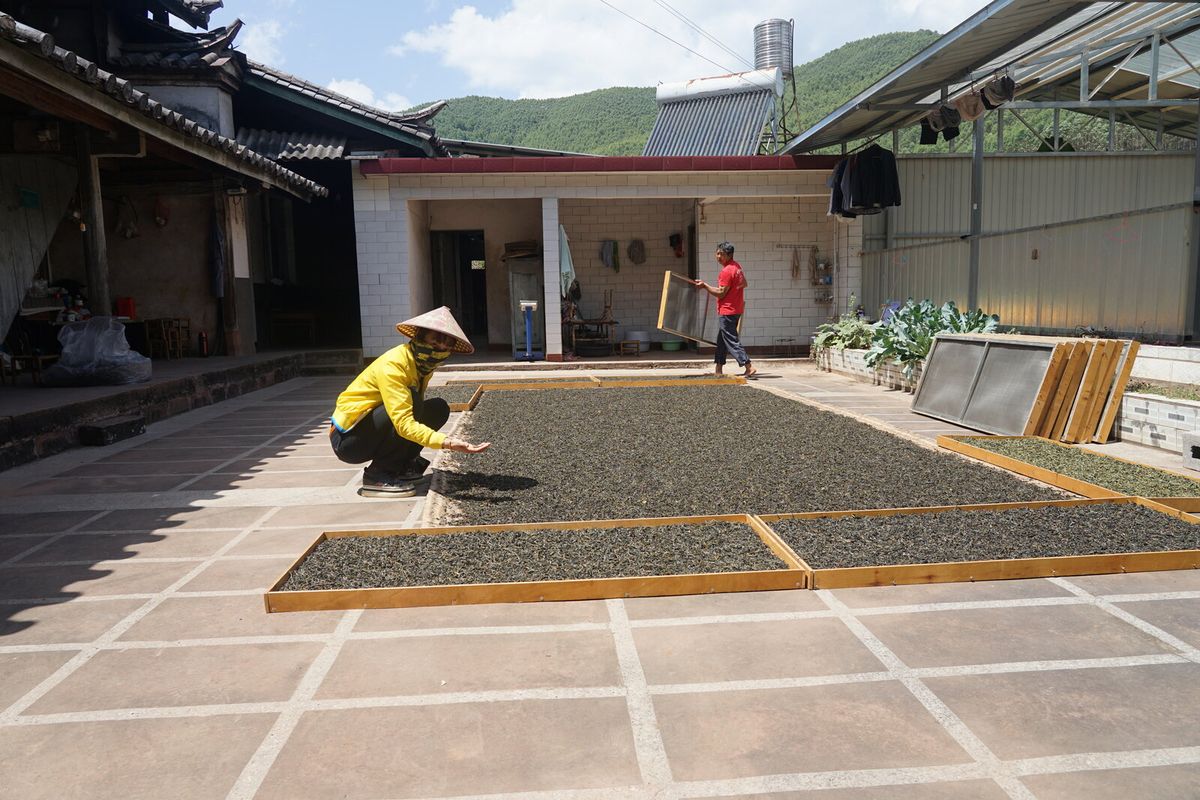
On the evening of July 11, a sudden downpour poured over Kunming's Tuodong Stadium.
34,000 people didn't leave. Raincoats, glow sticks, flags, drums — the passion in the stands only burned hotter in the rain.
This was the grand finale of the 2025/2026 Yunnan Provincial City Football League — "Dianchao." Lijiang defeated Kunming 1:0 to claim the inaugural Dianchao championship. The Party Secretary and Governor of Yunnan Province personally presented the trophy — top-tier protocol.
During the pre-match parade, athletes, coaches, and youth football players entered in sequence. Right behind them came floats for wild mushrooms, Yunnan coffee, and Yunnan tea.
Yunnan tea had taken the stage at the province's biggest sporting event. As people who make Yunnan tea, seeing that moment was deeply moving.
For One Match, to a City
Dianchao spanned 8 months, 128 matches, and drew 1.65 million spectators — an average of 13,000 per game. The official slogan: "For one match, travel to a city." Fans took high-speed trains and drove from city to city, all for a single game.
That line sounds awfully familiar to tea people.
Because tea lovers do the same thing. For a sip of Jingmai's orchid aroma, they drive six or seven hours from Kunming into Pu'er. For a cake of Yiwu ancient tree tea, they cross the mountains of Xishuangbanna. When they hear the ancient trees in Mangfei, Lincang have started budding, they book tickets overnight and camp at the tea mountain waiting for the harvest.
"For one match, travel to a city" and "For one cup of tea, travel to a mountain" — at their core, they're the same thing: a love for the land of Yunnan so vast it can span hundreds of kilometers, yet so intimate it fits inside a single cup of tea.
Dianchao's 16 teams came from all 16 prefectures of Yunnan. Several of those places happen to be where our tea mountains are.
Jingmai Mountain × Pu'er Team: Quiet but Deep
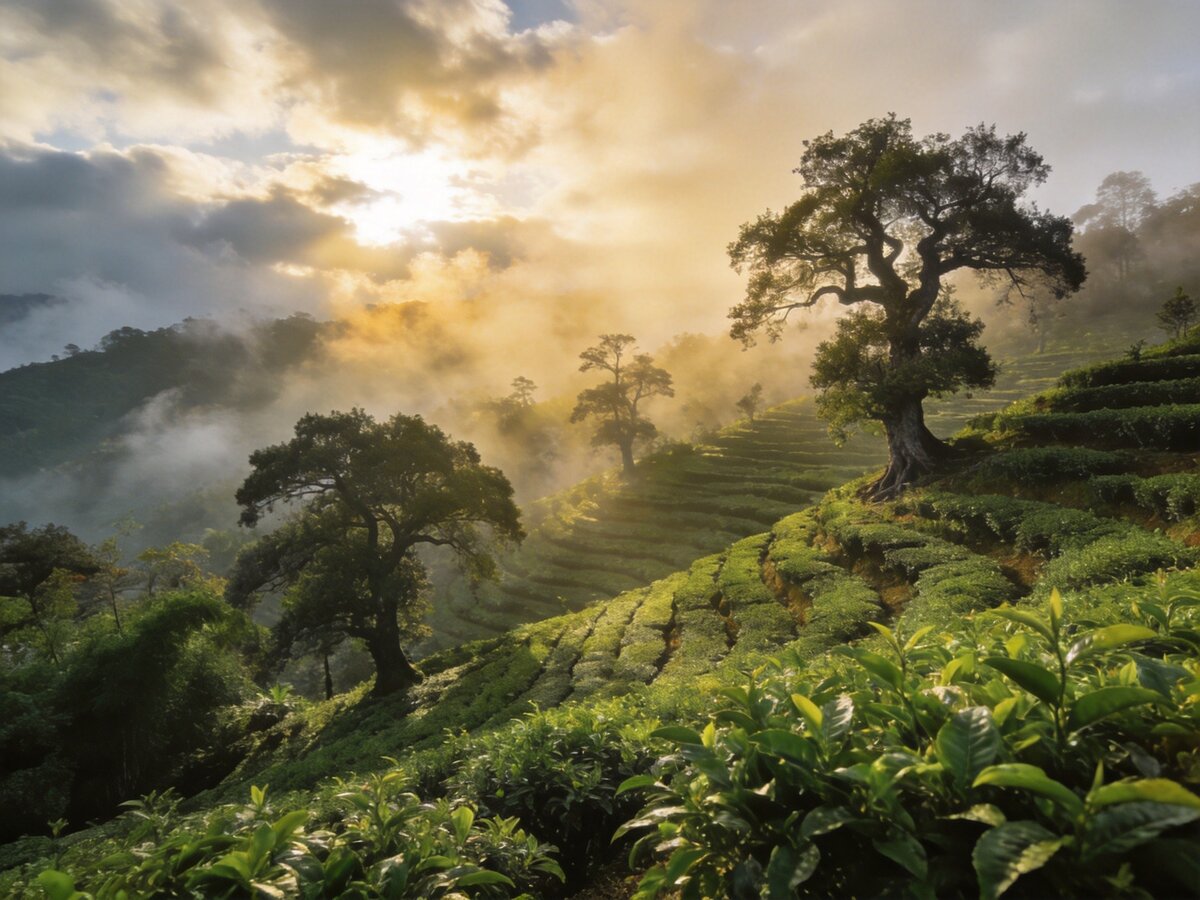
Among Dianchao's 16 teams, Pu'er wasn't the flashiest. But Pu'er has never won by being flashy.
Jingmai Mountain sits in Lancang County, Pu'er. In 2023, the Cultural Landscape of Old Tea Forests of Jingmai Mountain was inscribed as a UNESCO World Heritage Site — the world's first tea-themed World Heritage. Millennium-old tea forests, generations of Bulang and Dai tea farmers, ancient under-forest cultivation wisdom — none of it needs to shout. It simply stands there.
Jingmai tea is known for its orchid aroma. Those who've tasted it know: it's not an aggressive fragrance but something that seeps gently from the liquor, like mountain wind carrying floral scent from afar. Pu'er's team in Dianchao played the same way — steady, unhurried, quiet but present.
The Pu'er team on the pitch and Jingmai on the mountain share the same temperament: they don't steal the spotlight, but they reward those who pay attention.
Mangfei × Lincang Team: Ordinary People Rooted in the Mountains
One detail from Dianchao left a deep impression: every player was an ordinary person. A power grid patrol worker from Dehong, a pharmacy employee from Xishuangbanna, forest rangers, teachers, doctors. They work during the day, train at night, play on weekends.
Lincang's team had people like that too.
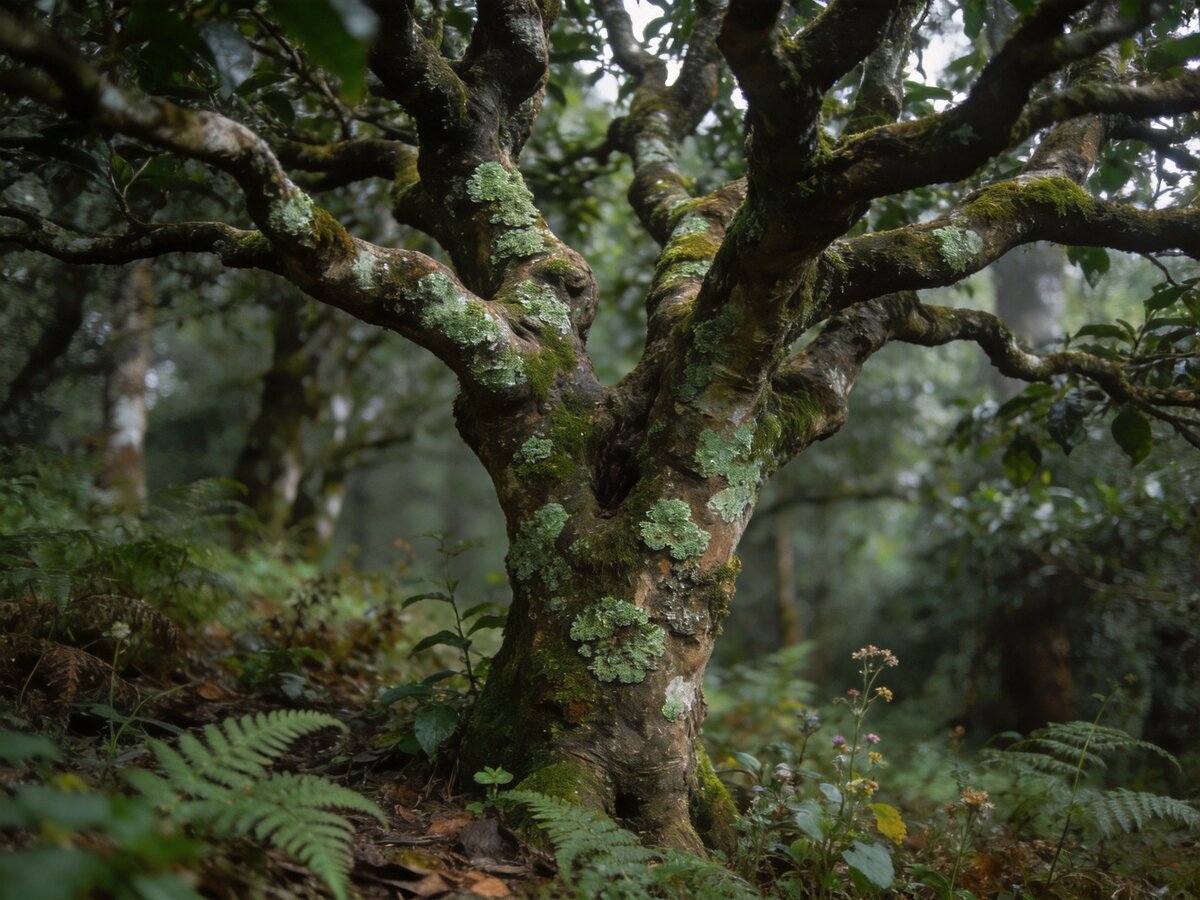
In Yongde County, Lincang, there's a place called Mangfei — one of Yunnan's important ancient tree tea regions. Mangfei tea is bold and heavy: rich liquor, strong returning sweetness, a kind of untamed mountain character. It matches the Lincang personality: tough, genuine, no nonsense.
The tea farmers who make Mangfei tea are ordinary people too. During spring harvest, they head up the mountain before dawn, carry full baskets down, their fingers stained black with tea juice — day after day. Just like the patrol worker walking the mountain or the forest ranger standing guard, they're people rooted in the wilderness, doing unglamorous work that's indispensable.
Dianchao gave them a stage to wear jerseys and fight for their hometown. The tea mountain is also a stage — just a quieter one.
Yiwu & Bulang × Xishuangbanna Team: Passion and Depth, Two Sides
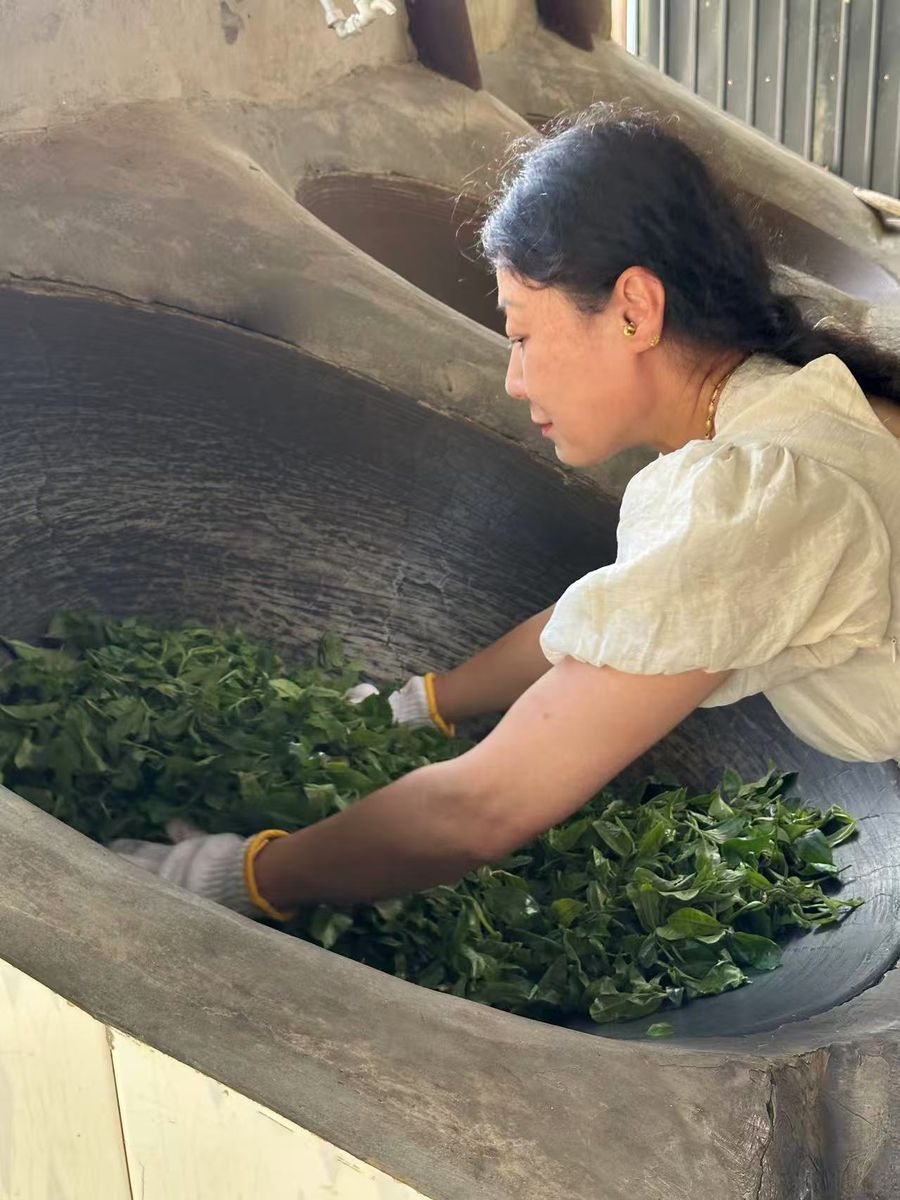
Xishuangbanna's supporters were undoubtedly the most eye-catching in the Dianchao stands. When the Dai music kicked in and elephant-foot drums started, the entire stand turned into a dance party.
But Xishuangbanna is more than Dai dance and elephant-foot drums.
Among the ancient Six Famous Tea Mountains, both Yiwu and Bulang are in Xishuangbanna. Yiwu, in Mengla County, was the distribution hub for Pu'er tribute tea during the Qing Dynasty and is known as the "Queen of Tea Mountains." Yiwu tea is soft and delicate, with prominent floral-honey notes and a lingering sweet aftertaste. Bulang Mountain, in Menghai County, produces tea that's bold and intense — heavy bitterness but powerful returning sweetness. The tea world says "Bulang is the King, Yiwu is the Queen" — one fierce, one gentle, two sides of the same coin.
Xishuangbanna on the pitch is lively and extroverted — elephant-foot drums, Dai dance, ethnic celebrations, maximum visual impact. Xishuangbanna on the tea mountain is deep and introverted — millennium-old ancient tea trees, generations of inherited craftsmanship, time hidden within a single sip.
Same land, two expressions. When you travel for a match and pass by the tea mountains, you'll find they've always been there.
A Life Called Yunnan
Dianchao has ended. Eight months of competition, 1.65 million journeys, 3.045 billion yuan in consumer spending — these numbers will gradually fade. But one phrase remains:
"There is a kind of life called Yunnan."
This is the cultural IP Yunnan has been promoting. Dianchao is its expression through sports — passion, perseverance, unity. Tea is its expression through daily life — routine, calmness, coexistence with nature.
The tournament is over, but life in Yunnan continues. Tomorrow morning, tea farmers will still head up the mountain before dawn. Tea will still simmer in the pot. Tea lovers will still travel to a mountain for a good cup.
A cup of tea is the most everyday "life called Yunnan."
What Tea After the Match?
It was pouring rain on the night of the Dianchao final. If you watched the match in the rain, a cup of tea afterward might be just right.
Summer football can make you hot and restless — cold-brew a pot of ancient tree white tea, refreshing and thirst-quenching, gentler than beer. Caught in the rain? Brew a pot of ripe Puer to warm the stomach, more considerate than coffee.
Football has a final whistle. Tea doesn't. One cup finishes, brew another — that's how days pass in Yunnan.
Want to try Jingmai's orchid aroma, Mangfei's mountain character, or Yiwu's gentle delicacy? Let's chat on WeChat.
FAQ
What is the connection between Dianchao and Yunnan tea?
At the closing ceremony of the 2025/2026 Yunnan Provincial City Football League (Dianchao), a Yunnan tea float appeared in the parade alongside wild mushrooms and Yunnan coffee. Among the 16 participating cities, Pu'er, Lincang, and Xishuangbanna are both football cities and core Yunnan tea regions. The Dianchao slogan "A Life Called Yunnan" encompasses tea culture as an essential component.
What are the famous tea mountains in Yunnan?
Famous Yunnan tea mountains include Jingmai (Lancang County, Pu'er — a UNESCO World Heritage site known for orchid aroma), Mangfei (Yongde County, Lincang — bold and robust ancient tree tea), Yiwu (Mengla County, Xishuangbanna — one of the Six Famous Tea Mountains, soft and delicate), and Bulang Mountain (Menghai County, Xishuangbanna — powerful and intense). Other notable regions include Bingdao, Xigui, and Hekai.
What tea is good to drink while watching football in summer?
Summer football viewing can make you hot and restless — cold-brewed white tea is refreshing and thirst-quenching. If you get caught in the rain or feel chilly in air conditioning, a pot of ripe Puer warms the stomach. Both teas can be steeped repeatedly, perfect for a full match.
Want to learn more about Yunnan ancient tree tea? Add us on WeChat
Contact Us →
Follow Songdehao on WeChat
Get more tea knowledge, brewing tips, and new product updates